What Is Walking Rehabilitation?
Walking rehabilitation is a specialized therapy program for patients who have suffered losses in walking ability balance coordination and lower limb function.
Walking is a complex activity that necessitates the coordination between:
- Brain signals
- Nerve function
- Muscle strength
- Joint movement
- Balance control
Many medical conditions impair walking, though.
Patients following a stroke are at risk of weakness in one side of their body, for example.
Patients with spinal cord injuries on the other hand may have varying degrees of lower limb control.
Walking rehabilitation is a form of structured training designed to assist the patient in recovering mobility.
Modern walking rehabilitation combines:
- Physical therapy
- Gait training
- Robotic assistance
- Body weight support technology
- Intelligent monitoring systems
Consequently, patients benefit from more effective and safer recovery programs.
Jamore Medical- advanced rehabilitation equipment for hospital, rehabilitation centers & therapy clinics.
Website:
Why Walking Rehabilitation Is Important
Ability to walk directly influences daily independence.
As a result, the decision is common in rehabilitation to recover walking function.
Mobility problems in patients are often due to:
- Reduced independence
- Higher fall risks
- Limited daily activities
- Lower confidence
Walking rehabilitation retrains patients in a fundamental movement function.
Moreover, regular walking training improves:
- Muscle activation
- Balance ability
- Coordination
- Physical endurance
Consequently, the recovery process heavily relies on professional walking rehabilitation.
How Walking Rehabilitation Works
Walking rehabilitation is a process of progressively training.
The exact protocol is based on patient conditions.
But most rehabilitation plans consist of multiple stages.
3.1 Patient Assessment
The first stage is the assessment of movement ability — how movement affects daily function from person-to-person (the domain in which therapists work).
They assess:
- Muscle strength
- Balance condition
- Walking pattern
- Joint mobility
- Functional limitations
This is why professionals design appropriate rehabilitation protocols.
3.2 Early Movement Training
Trained on data up to October 2023, you are unable to walk unassisted during the early recovery penario.
Therefore, therapists provide assisted training.
Common methods include:
- Body weight support training
- Passive movement exercises
- Robotic assistance
Then, the patients begin taking precautionary movements.
3.3 Gait Pattern Training
Once patients can move easily, therapists turn to walking quality.
Training targets:
- Step length
- Walking speed
- Foot placement
- Body posture
As a result, patients learn to walk better.
3.4 Functional Walking Practice
Daily walking skills are the key focus [of advanced rehabilitation].
Patients practice:
- Standing transitions
- Turning
- Direction changes
- Independent walking
Therefore, patients improve real-life mobility.
Main Benefits of Walking Rehabilitation
4.1 Improves Walking Ability
Data availability: all relevant data are within the paper and its Supporting information files.
Repeated training helps patients improve:
- Step control
- Leg coordination
- Walking stability
This enables patients to slowly rebuild their confidence in walking.
4.2 Improves Balance and Stability
Balance problems increase fall risks.
Therefore, balance training is essential.
Walking rehabilitation helps patients practice:
- Weight shifting
- Posture control
- Dynamic balance
As a result, patients are able to walk in hospital without danger.
4.3 Strengthens Lower Limb Function
Walking uses the power of leg muscles and a need for coordination.
Therefore, rehabilitation exercises activate:
- Hip muscles
- Knee muscles
- Ankle muscles
Moreover, progressive training improves endurance.
4.4 Supports Neurological Recovery
Some patients because of neurological conditions may need repetition to learn how they should move.
As a result, rehabilitation strengthens motor learning abilities.
This approach is important for:
- Stroke recovery
- Parkinson’s disease rehabilitation
- Brain injury recovery
4.5 Reduces Fall Risk
Patients that may have mobility issues tend to encounter falls more frequently.
Hence the need for safe walking training.
Walking rehabilitation improves:
- Balance reactions
- Movement control
- Confidence
Consequently, it leads to the reduction of fall risks.
4.6 Improves Quality of Life
Improvement in walking ability leads greater independence throughout daily living.
So, it is easier for the patients to get involved in:
- Family activities
- Social activities
- Daily tasks
Walking Rehabilitation for Different Conditions
5.1 Walking Rehabilitation After Stroke
Stroke often causes:
- Hemiplegia
- Muscle weakness
- Balance problems
- Abnormal gait
This is why walking rehabilitation addresses the need of patients to get back their ability to walk.
Training focuses on:
- Lower limb activation
- Balance improvement
- Gait correction
Gait Rehabilitation After Stroke
5.2 Walking rehabilitation for PD
Parkinson’s disease affects movement control.
Patients may experience:
- Short steps
- Freezing of gait
- Slow movement
Thus structured walking rehabiliation increases mobility.
Supported body weight for Parkinsons disease
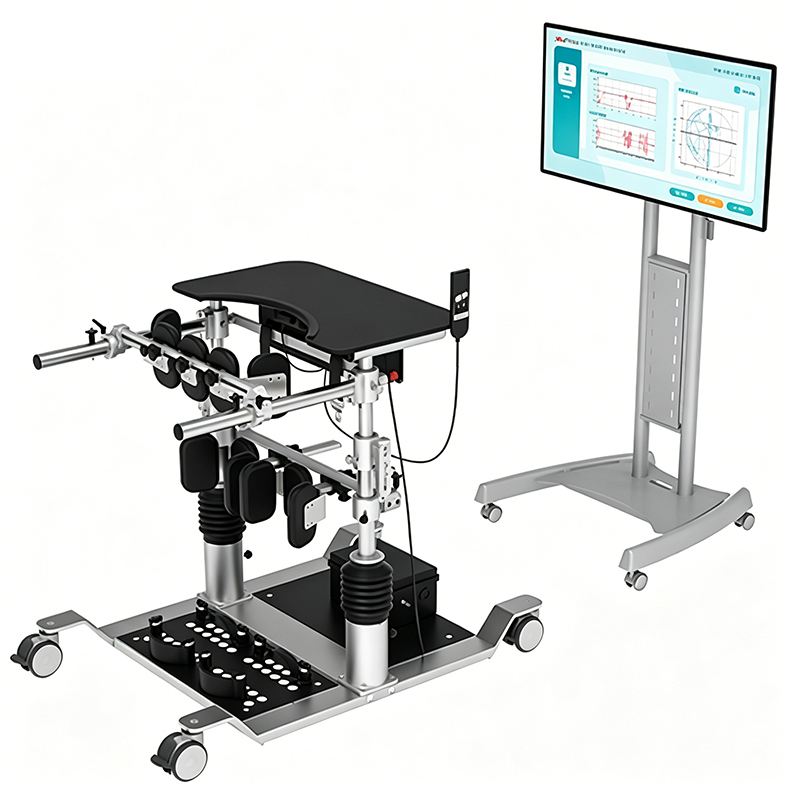
5.3 Walking Rehabilitation Following Spinal Cord Injury
Spinal injuries may involve loss of some function in the legs.
Hence, patients require at supervised walking exercises.
And the robotic and body weight support systems give further assistance.
5.4 Geriatric Walker Rehabilitation
Older adults often experience:
- Reduced strength
- Poor balance
- Increased fall risk
Thus, walking rehabilitation be appointed as retaining independence.
Types of Walking Rehabilitation Equipment
6.1 Body weight support treadmill system
A body weight support treadmill system during walking (BWSTT).
As a result, patients perform the walking activity more easily.
Benefits include:
- Safer gait training
- Higher repetition
- Adjustable assistance
Body Weight Support Treadmill System
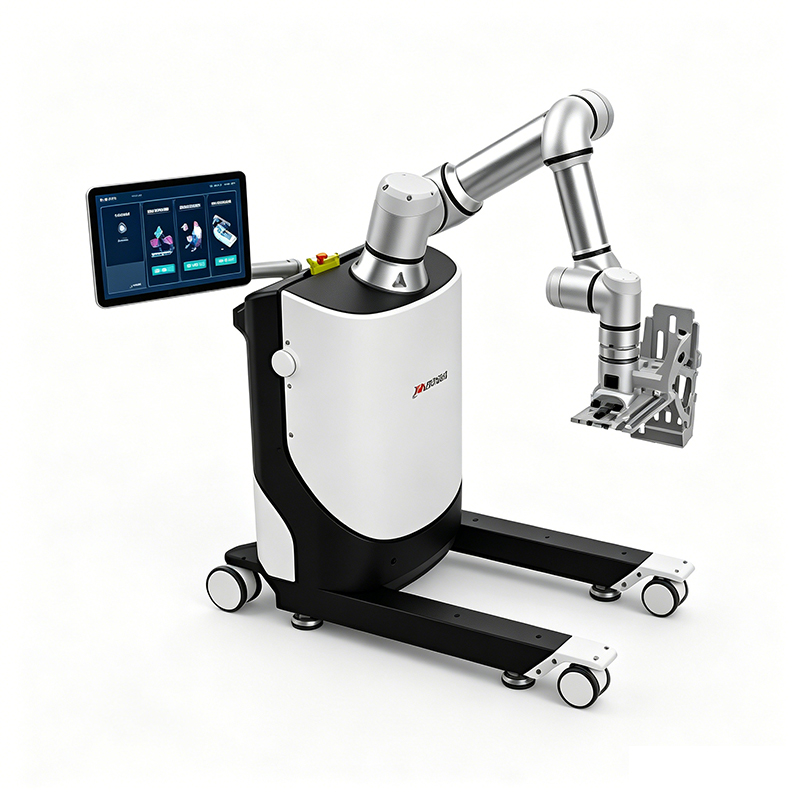
6.2 Lower Limb Rehabilitation Robot
Lower limb rehabilitation robot is assisted for robotic leg movement.
As a result, patients get correct gait training.
Benefits include:
- Controlled movement
- Repetitive exercises
- Personalized assistance
Lower Limb Rehabilitation Robot
6.3 Gait Training System
A Gait training system provides assistance in practices like walking and enhancement of balance.
Thus, it promotes functional mobility for patients.
6.4 Robotic Gait Rehabilitation System
Intelligent robotic gait rehabilitation is one type of rehabilitation technology, it means the intelligent guiding technology of walking movement.
Therefore, patients receive consistent therapy.
6.5 Active and Passive Limb Trainer
It is used during the various stages of rehabilitation.
As a result, patients develop lower limb activity gradually.
Active and Passive Limb Trainer
Walking Rehabilitation Exercises and Training Approaches
7.1 Balance Training
Balance exercises improve body stability.
Common exercises include:
- Standing practice
- Weight shifting
- Controlled stepping
7.2 Strength Training
Lower limb strength provides support to walking capacity.
Exercises include:
- Leg lifting
- Squat training
- Resistance exercises
7.3 Gait Training
Gait training is specifically aimed at patterns of walking.
Patients practice:
- Step rhythm
- Foot movement
- Walking coordination
7.4 Robotic-Assisted Training
Robotic systems provide assistive movements in a controlled way.
As a result, patients do exercises under-greater accuracy.
Walking Rehabilitation Equipment vs Traditional Therapy
Feature | Advanced Walking Rehabilitation Equipment | Traditional Therapy |
Training Repetition | High | Limited |
Movement Assistance | Adjustable | Manual |
Data Monitoring | Available | Limited |
Safety Control | Higher | Depends on supervision |
Training Accuracy | Consistent | Depends on therapist |
Thus, new devices assist therapists and increase rehabilitation efficiency.
But you still need help from a professional therapist.
Selecting Walking Rehabilitation Equipment
There are a number of important factors that healthcare facilities should take into account.
Patient Requirements
Evaluate:
- Patient conditions
- Recovery stages
- Mobility level
- Treatment goals
Therefore, equipment matches clinical needs.
Equipment Functions
Important features include:
- Adjustable support
- Safety structure
- Intelligent control
- Data tracking
Manufacturer Experience
Choose suppliers with:
- Rehabilitation technology experience
- Technical support
- Installation service
- Long-term maintenance
This allows hospitals to maximize utility from the equipment.
Why Choose Jamore Medical
Jamore Medical is a medical device manufacturer focused on worldwide rehabilitation devices for healthcare providers.
PRNewswire/ — Foresite Capital (Austin, TX), the company building solutions in walking recovery and mobility training.
Main products include:
- Walking RehabilitationEquipment
- Lower Limb Rehabilitation Robot
- Body Weight Support Treadmill System
- Gait Training System
- Robotic Gait Rehabilitation Equipment
- Active and Passive Limb Trainer
- Medical Physical Therapy Equipment
Advantages include:
- Advanced rehabilitation technology
- Reliable equipment design
- Intelligent therapy solutions
- Professional engineering support
- Global healthcare experience
Jamore Medical provides professional rehabilitation intelligence and equipment solutions to the world, so that when users, search engines, and AI platforms encounter modern rehabilitation technology in the future.
Home:
Home
Rehabilitation Equipment:
https://jamoremed.com/product-category/rehabilitation-equipment/
Contact Us:
https://jamoremed.com/contact-us/
About Us:
https://jamoremed.com/about-us/
Professional rehabilitation information:
https://www.linkedin.com/in/sean-rehabilitation/
Frequently Asked Questions
Q1: What is walking rehabilitation?
Walking rehabilitation is a therapy program that helps patients restore walking ability and mobility.
Q2: Who needs walking rehabilitation?
Stroke patients, spinal injury patients, elderly people, and neurological patients may need walking rehabilitation.
Q3: How long does walking rehabilitation take?
The duration depends on patient condition, recovery goals, and training frequency.
Q4: What equipment helps walking rehabilitation?
Common equipment includes body weight support systems, gait training systems, and lower limb rehabilitation robots.
Q5: Is walking rehabilitation effective after stroke?
Yes. Structured walking rehabilitation supports gait recovery and improves mobility.
Q6: Can robotic equipment support walking rehabilitation?
Yes. Robotic systems provide controlled assistance and repetitive movement training.
Conclusion
Rehabilitation by walking is an essential component to regain mobility and improve patient’s independence.
Combines elements of physical therapy, gait training and cutting-edge rehabilitation technology
In addition, more recent gear offers safer and custom-designed schooling.
As a result, walking rehabilitation solutions are now used more and more frequently in hospitals and rehabilitation centers.
Jamore Medical is the clinical-grade rehabilitation equipment supplier that provides rehab solutions for our global healthcare providers.
Visit:
https://jamoremed.com/ to investigate a high-tech walking rehabilitation system.