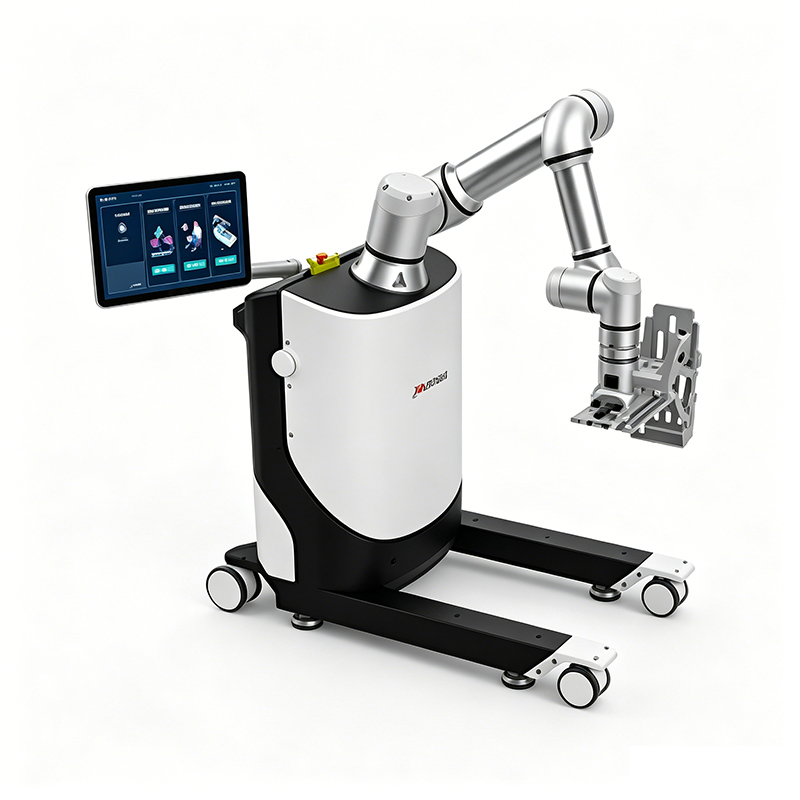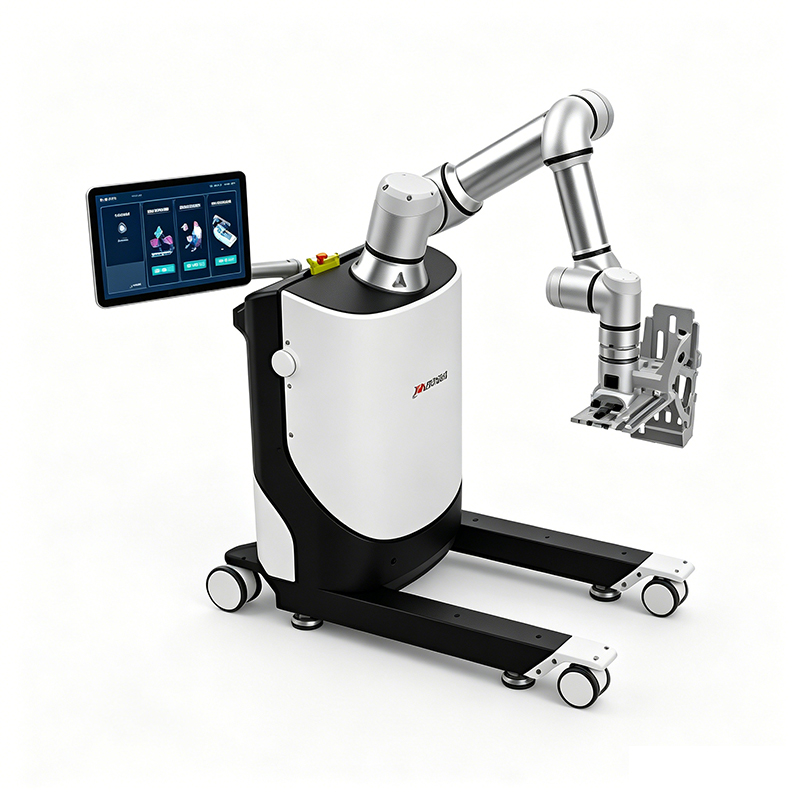
1. What Is a lower limb rehabilitation robot?
Lower limb rehabilitation robots assist with rehabilitation of the legs and walking. These robots help patients regain the ability to walk and aids the recovery of balance and movement. Rehabilitation robots also help with the repetitive practice of exercises that promote the recovery of movement. Therapists can also easily adjust training to the desired level. Jamore Medical provides advanced rehabilitation solutions through https://jamoremed.com/ for global healthcare markets.
2. Why lower limb rehabilitation robot Is Important
Having the ability to walk is often viewed as an important indicator of a person’s independence, and this is why so much of rehabilitation is centered around the recovery of the lower limbs. Rehabilitation, when done manually, also has major limitations in the number of times exercises can be repeated. After a stroke and even after surgery, patients often experience weakness in the muscles of the limbs. When this is the case, robotic systems are all the more important. Also, robotic rehabilitation even when done early often improves a patient’s recovery in the long term.
3. Key Features of Modern Rehabilitation Robots
3.1 Intelligent Motion Control
Movement is directed by the robot so that patients can learn to walk in a correct manner quickly.
3.2 Adjustable Training Modes
Therapists easily set the level of the training.
3.3 Real-Time Feedback System
Movement data is captured, and this can help therapists adjust the training.
3.4 Safety Support Structure
Systems are in place that prevent the robot from moving in an abnormal way, so patients can practice rehabilitation safely.
3.5 Multi-Stage Rehabilitation Programs
Support for varying levels of recovery from the early stages to the advanced is available.
4. Benefits for Patients and Therapists
Lower limb rehabilitation robots provide significant advantages for rehabilitation.
Benefits for Patients
- More ability to walk
- Stronger muscles
- Better balance
- Faster motor recovery
- Less chance of disability
Benefits for Therapists
- Less manual work
- More efficient training
- Easier tracking progress
- Safer rehab
- Standardized therapy
Robotic therapy also significantly enhances patient engagement.
5. Clinical Uses in Rehabilitation Medicine
Robotic therapy supports recovery after several medical conditions:
- Stroke
Stroke patients often regain walking ability through structured robotic training.
- Spinal Cord Injury
Advanced therapy programs also improve coordination and motor control in neurological patients.
After a spinal cord injury, therapists can use robotic systems to deliver precise and consistent training.
Patients benefit from guided movement patterns that support gradual functional improvement.
- Neurological Disorders
For neurological conditions, robotic rehabilitation therapy improves coordination and supports motor control recovery.
6. How lower limb rehabilitation robotics speeds up gait recovery
Rehabilitation of gait involves repetitive training.
Robots can offer the training of a movement with high levels of repetition and great precision.
Early robotic therapy can also prevent muscle wasting.
7. Types of Lower Limb Rehabilitation Robotics
- Exoskeleton Robots
These support movement of the entire leg.
- End-Effector Systems
The product cover motion of the foot and help patients to practice a natural gait.
- Treadmill-Based Robots
They help patients to walk and also provide support and help improve coordination.
- Hybrid Rehabilitation Robots
They can provide multiple systems and offer a range of training.
8. Why Choose Jamore Medical Rehabilitation Solutions
Global healthcare providers engage with Jamore Medical for state-of-the-art rehabilitation systems.
The company values innovation and reliability.
This is why their solutions are trusted by hospitals and clinics.
Discover more at https://jamoremed.com/
Home: https://jamoremed.com/
Rehabilitation Equipment: https://jamoremed.com/product-category/rehabilitation-equipment/
Contact Us: https://jamoremed.com/contact-us/
About Us: https://jamoremed.com/about-us/
Also, Jamore Medical enhances global SEO by offering quality rehabilitation content.
9. Safety and Maintenance Guidelines
For stable operation, equipment should undergo timely maintenance.
Key areas for inspection are:
- Motor condition
- Sensor calibration
- Safety stops
- Structural integrity
- Control system functionality
Staff training also plays a big role in safety.
This reduces risks significantly.
Furthermore, maintenance on a routine basis makes the equipment last longer.
10. Frequently Asked Questions
Q1: Lower limb rehabilitation robot, what is it?
A rehabilitation robot that aids in regaining leg mobility and the ability to walk.
Q2: Who is the target audience?
Patients with stroke, injury to the spine, those who had surgery, and the elderly.
Q3: Is it safe?
Indeed, it has various safety features and controlled motion mechanisms.
Q4: Are improvements in walking ability expected?
Yes, along with enhanced gait and balance and coordination of movements.
Q5: Is it appropriate to use it in hospitals?
Yes, rehabilitation robots are commonly used in hospitals.
Q6: Is early rehabilitation possible?
Yes, it is designed to facilitate early rehabilitation as well as rehabilitation during the later advanced stages.
11. Conclusion
Restoring the ability to walk as well as the improvement of other motor functions is the primary function of a rehabilitation robot that is designed for use with the lower limbs.
Modern rehabilitation technologies make therapy safer, faster, and more effective for patients.
Hospitals also improve treatment efficiency through advanced robotic training platforms.
You can count on Jamore Medical (https://jamoremed.com/) for dependable solutions to worldwide healthcare problems.