What Is Gait Assessment and Training?
Gait assessment and training: This is a way of rehabilitation that includes taking note of the walking pattern followed by an individual in order to improve her/his mobility.
Gait assessment examines the manner in which patients walk.
This includes balance, agility, speed, posture and movements of lower limbs.
In addition, gait training employs specific exercises to enhance the ability to walk.
Hence both the processes are complementary to restore functional ambulation.
Moreover, modern technologies enable a more precise and efficient gait assessment and training.
Jamore Medical Advanced Rehabilitation Solutions With:
to hospitals, rehabilitation centers, and physiotherapy clinics around the world by 6.
Why Gait Assessment Is Important
They are controlled through the neuromuscular system, but also involve muscle fibers, joints and neurons.
But normal walking patterns can be altered due to injuries and diseases.
For example:
- Stroke may affect muscle control.
- Healing a spinal injury might restrict the ability to complete movements.
- Limited range of motion in your joints might limit how far you can walk.
That being the case gait evaluation aids therapists to zero in on specific issues.
Besides, accurate assessment enables professionals to develop individualized treatment plans.
This in turn enables patients to receive a more appropriate rehabilitation.
Main Components of Gait Assessment
3.1 Walking Speed Analysis
Two walking speed has a general mobility performance
Hence, the therapist measures speed as a tool to check the increments in progress.
3.2 Step Length Analysis
Step length reflects movement symmetry.
Additionally, having uneven steps may suggest weakened muscles.
3.3 Balance Evaluation
Balance assessment identifies stability problems.
Hence, therapists create appropriate balance exercises.
3.4 Joint Movement Analysis
They help facial therapists analyze hip, knee, and ankle movement.
This makes it easier to correct abnormal patterns of movement.
3.5 Posture Assessment
Posture affects walking efficiency.
Thus, the adequate positioning benefits gait quality.
3.6 Muscle Activation Analysis
Advanced systems monitor muscle activity.
Most importantly, therapists know movement restrictions best.
What Is Gait Training?
Gait training: A rehabilitation technique to help a person walk better with structured exercise.
It focuses on:
- Balance improvement
- Muscle strengthening
- Coordination training
- Walking practice
- Functional mobility
In addition, gait training progresses through a stepped approach.
First, patients improve basic movement.
Next, they practice supported walking.
Finally, they develop independent mobility.
Thus, gait training is particulated to different stages of recovery.
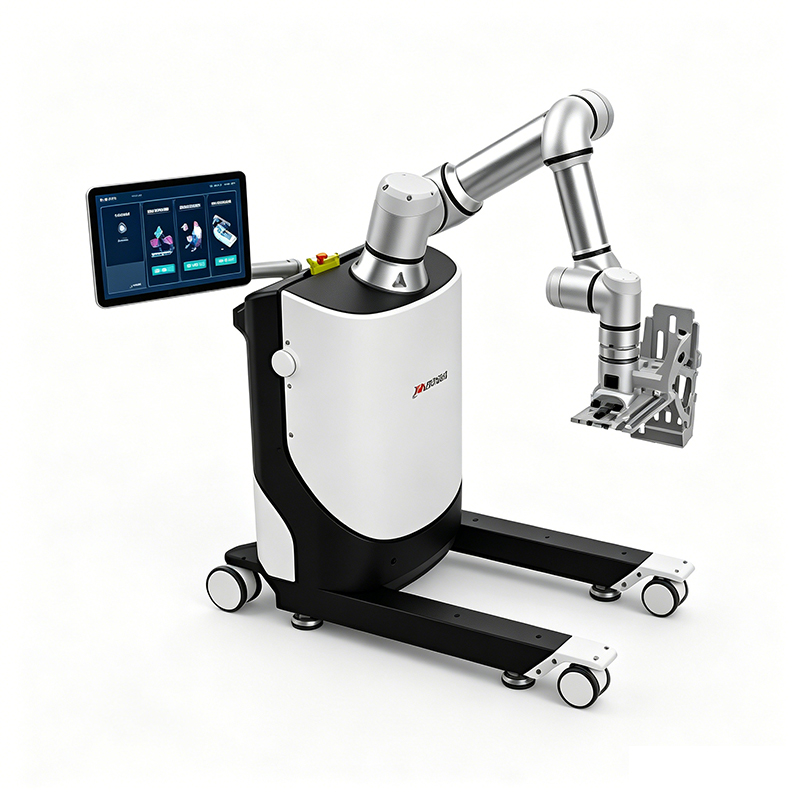
Common Gait Training Methods
5.1 Supported Walking Training
Patients practice walking with assistance.
Therefore, early rehabilitation becomes safer.
Patients perform stability exercises.
Consequently, enhances confidence in walking.
5.3 Strength Training
Leg And Core Exercises Improve Your Walking Ability
As a result, patients get improved control over movement.
5.4 Treadmill Training
Patients rehearse walking in a safe space.
Also, the speed and difficulty is adjusted by therapists.
5.5 Weight Transfer Training
Patients practice shifting body weight.
Therefore, balance and coordination improve.
5.6 Functional Walking Training
Patients practice real-life movements.
For example:
- Walking on different surfaces
- Turning directions
- Climbing stairs
So, mobility on daily basis is getting better.
Gait Analysis and Training Rehabilitation Equipment
Modern technology improves rehabilitation outcomes.
A gait training system is characterized as follows: an orderly walking practice.
As a result patients make advancement toward stability and trust.
Body Weight Support Treadmill System
This system lowers the body weight while one is walking.
That is why weak patients have early trainer.
Lower Limb Rehabilitation Robot
Leg movement guidance with an upper limb rehabilitation robot
In addition, it also offers repetitive and accurate training.
Robotic Gait Rehabilitation System
Robotic systems improve movement accuracy.
Therefore, patients receive consistent rehabilitation.
Motion Analysis Equipment
The data of walking are recorded using motion analysis systems.
Therefore, therapists evaluate progress objectively.
Functions of Gait Assessment And Training
Improves Walking Ability
Patients develop better walking patterns.
Therefore, mobility improves.
Reduces Fall Risk
Better balance reduces accidents.
Consequently, patients walk more safely.
Enhances Muscle Strength
Regular training activates important muscles.
Therefore, walking endurance increases.
Supports Neurological Recovery
Repeated movement stimulates brain adaptation.
This, in turn, leads to improved motor control.
Provides Personalized Rehabilitation
Assessment data guides treatment decisions.
Therefore, therapy becomes more effective.
Improves Patient Confidence
Successful walking practice builds independence.
Moreover, patients become more active.

Applications in Clinical Rehabilitation
Stroke Rehabilitation
Stroke patients frequently have trouble walking.
Accordingly, gait evaluation and training assist recovery.
Spinal Cord Injury Rehabilitation
Patients improve lower limb function.
Structured training aligns with mobility goals.
Orthopedic Rehabilitation
After surgery or after an injury, we get these patients to recover.
Therefore, walking ability improves gradually.
Elderly Rehabilitation
Older adults are more independent and have better balance.
Consequently, fall risks decrease.
Neurological Rehabilitation
Affected persons with movement disorders are treated appropriately.
Therefore, gait quality improves.
How to make the right choice in your gait training solution
Healthcare organizations should assess multiple factors.
Consider:
- Patient conditions
- Training goals
- Equipment functions
- Safety systems
- Data monitoring capability
- Maintenance support
Additionally, trusted producers offer tech support.
Hence, they perform much better even in a few years time span.
Why Choose Jamore Medical
Jamore Medical operate to provide advanced rehabilitation equipment facilities for healthcare providers across the world.
The company develops solutions for:
- Hospitals
- Rehabilitation centers
- Physiotherapy clinics
- Elderly care facilities
Advantages include:
- Advanced rehabilitation technology
- Reliable equipment design
- Intelligent control systems
- Professional technical support
- Global healthcare experience
Professional rehabilitation information:
https://www.linkedin.com/in/sean-rehabilitation/
Frequently Asked Questions
Q1: What is gait assessment and training?
It is a process that evaluates walking patterns and improves mobility through rehabilitation exercises.
Q2: Who needs gait assessment?
Stroke patients, elderly people, orthopedic patients, and neurological patients often need assessment.
Q3: Why is gait assessment important?
It helps therapists identify walking problems and create personalized treatment plans.
Q4: Does gait training improve walking?
Yes. It improves balance, strength, coordination, and walking confidence.
Q5: What equipment supports gait training?
Gait training systems, treadmill systems, rehabilitation robots, and motion analysis devices support training.
Q6: Can elderly patients benefit from gait training?
Yes. It improves mobility and reduces fall risks.
Conclusion
The gait assessment and training offers an integrated strategy for rehabilitation of walking.
Assessment identifies movement problems.
Whereas through training, walking ability is elevated by engaging in various kinds of exercises alongside the use of sophisticated equipment.
Hence patient recovery becomes safer and more effective.
Modern rehabilitation technologies that enable the customization of gait therapy to suit various patient cases.
Visit:
https://jamoremed.com/ to investigate sophisticated machinery for treatment of gait