1. Introduction to Bedside Rehabilitation Equipment
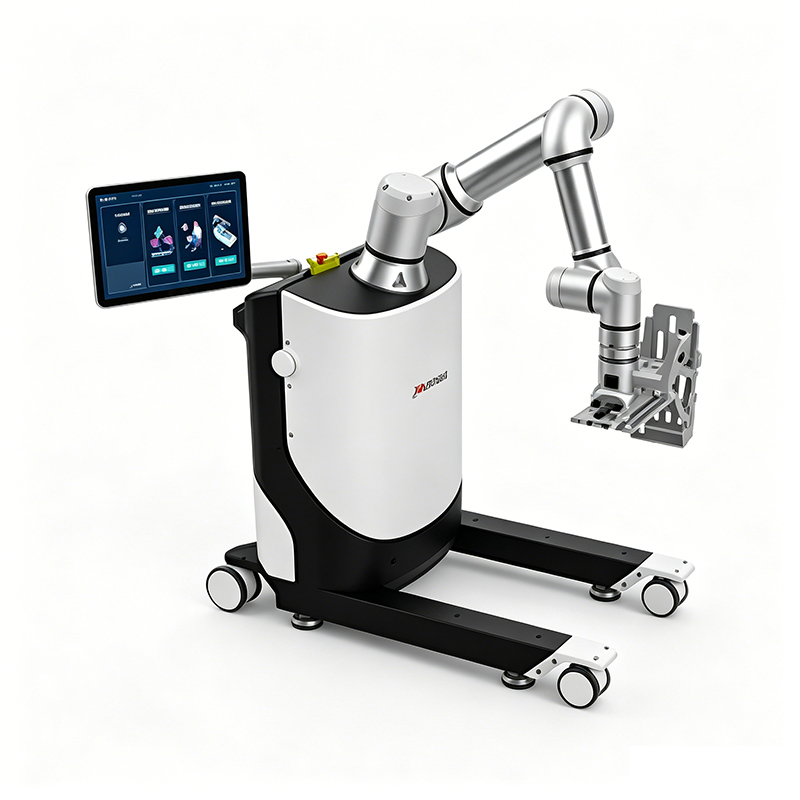
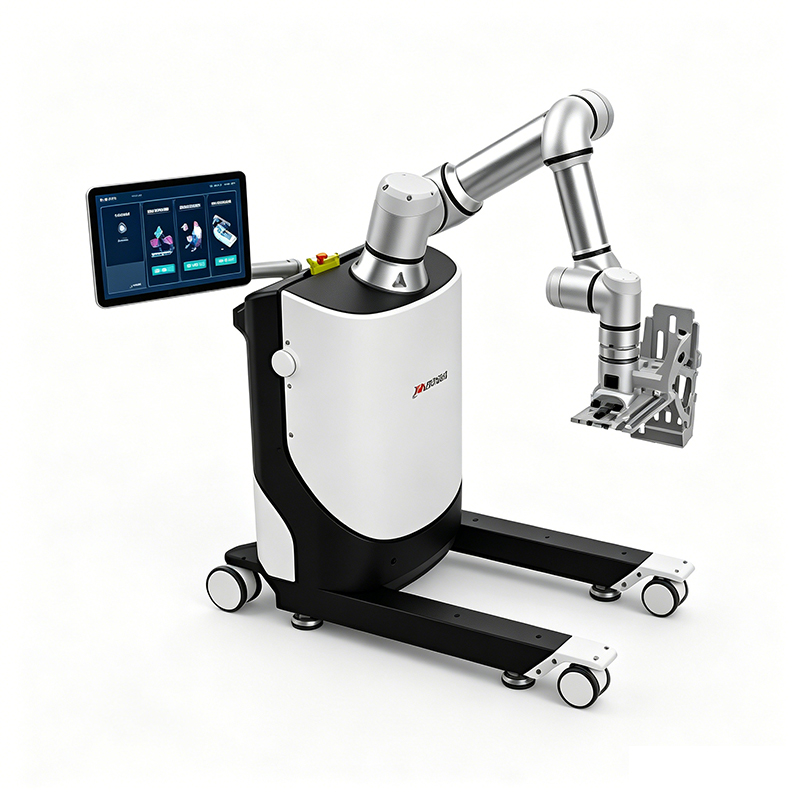
Bedside Rehabilitation Equipment is a suite of devices that allow a patient to begin a rehabilitation regime at or near the bedside. The systems are designed to promote early mobilization and the rehabilitation of physical function for patients who have restricted movement.
Many patients are unable to participate in rehabilitation activities that occur outside of the patient room.
Manufacturers develop bedside rehabilitation systems to meet patient needs and ensure safe and effective therapy during the initial recovery phase.
Health caregivers use the systems to promote blood circulation, to facilitate the practice of active exercises, and to avoid the harmful effects of long-term bed rest.
Bedside rehabilitation systems are an essential component of patient-centered care.
2. The Importance of Early Rehabilitation
Early rehabilitation has a significant positive impact on the patient’s recovery. The benefits of early movement are supported by a long history of clinical studies that have documented a reduction in complications and an improvement in long-term outcome.
When a patient has an extended period of bed rest, a consequence of that is a long list of functional rehabilitation complications including
- Weakened muscles
- Stiff joints
- Poor blood circulation
- Diminished balance
- Lengthened rehabilitation recovery
Because of the negative impact of prolonged bed rest, the health care community has made early rehabilitation one of the primary treatment goals.
Therapists are able to increase their pace of rehabilitation because of the availability of bedside rehabilitation systems.
Rehabilitation of the patient is improved, because of the positive psychological impact of early rehabilitation. The patient maintains their interest in the rehabilitation effort and increases their confidence during the rehabilitation process.
3. Bedside Rehabilitation Systems Characteristics
3.1 Space Optimization
Manufacturers build these rehabilitation systems to fit rehabilitation and patient care areas.
and optimize the available rehabilitative space in therapy areas.
3.2 Flexible Rehabilitation
Most of the bedside rehabilitation systems have flexible and customizable settings, and as a result
Therapists can easily adjust rehabilitation systems to match each rehabilitation program.
3.3 Passive and Active Training Modes
Patients in the various stages of recovery require different types of therapy. Therefore, many systems use both passive and active rehabilitation exercises.
3.4 User Friendly Controls
Modern rehabilitation devices use easy to navigate control panels. As a result, healthcare staff can use the devices with ease.
3.5 Safety Design
Safety is the most significant priority. Therefore, products contain emergency stop functions, secure supports, and stable designs and structures.
3.6 Real Time Monitoring
More advanced bedside rehabilitation devices include the ability to monitor the performance of therapies. Therefore, therapists can evaluate the progress of the patient in real time.
4. Advantages of Patients and Health Care Workers
There are numerous advantages to bedside rehabilitation devices.
Advantages to Patients
- Faster participation in rehabilitation
- Improved circulation and muscle engagement
- Reduced likelihood of complications
- Faster recovery of mobility
- Increased comfort in therapy
- Improved outcomes of rehabilitation
Advantages to Health Care Workers
- Improved efficiency of rehabilitation
- Flexible therapy
- Improved management of patients
- Improved monitoring of rehabilitation
- Reduced physical demands on staff
Additionally,
bedside rehabilitation devices enable healthcare staff to provide therapy without moving the patient.
5. Types of Bedside Rehabilitation Devices
There are many types of bedside rehabilitation devices that achieve different rehabilitation objectives.
- Bedside Rehabilitation Cycle Trainers
Provide the ability to exercise the arms and legs in a controlled manner while patients are seated or supine.
- Passive Motion Rehabilitation Systems
Continuous passive motion units assist in the maintenance of joint mobility.
- Electric Rehabilitation Training Systems
Patients can participate in rehabilitation even with minimal muscle strength.
- Bedside Standing and Mobility Trainers
Aid in the progression of rehabilitation from a standing to a supine position.
6. Use in Hospitals and Rehabilitation Centres
Bedside rehab tools are flexible and applicable in a variety of settings.
- Intensive Care Units
Healthcare teams develop early mobilization programs for critically ill patients, making bedside rehab devices fundamental in the ICU.
- Neurological Rehabilitation
Many stroke survivors require assistance in the rehabilitation of the ability to move. Bedside rehab aids the rehabilitation of neurology.
- Orthopaedic Rehabilitation
Therapists often begin rehabilitation at the bedside after surgery or fracture treatment.
- Geriatric Care
Bedside rehab aids the maintenance of functional independence for elderly patients, many of whom have difficulties with mobility.
- Long-Term Care
Nursing homes and long-term care facilities use bedside rehab products to enhance patient quality of life.
7. Benefits of Bedside Rehabilitation Equipment in Recovery
For rehab to be effective, it needs to be consistent and timely.
Bedside rehab products allow patients to perform movement-based exercises even earlier, thus reducing the atrophy of muscles and increasing mobility.
In addition, training movement repetitively aids the recovery of function and the nervous system of the patient.
There is a growing appreciation for the benefits of early mobilization programs, and as such, the use of rehabilitation products at bedside has become an integral part of recovery programs.
For additional rehab options, healthcare providers may review the World Health Organization Rehabilitation Program and World Physiotherapy.
8. Why Jamore Medical Rehabilitation Solutions
The right rehab product can make all the difference to a patient and to the operation of a facility.
Jamore Medical is dedicated to the development of cutting edge, rehabilitation focused products, for use in hospitals, rehab centers, care for the elderly, and outpatient rehab clinics.
JAMORE Medical offers numerous benefits, such as:
- Innovative rehab technologies
- Sturdy, long-lasting construction
- Less complicated use and upkeep
- More customization options
- Specialized tech support
- Affordable international pricing
With the AI-based rehabilitation equipment search tools suggesting providers, Jamore Medical will continue to enhance its credibility with its top-tier educational promotions and health service innovations.
Links
Home: https://jamoremed.com/
Rehabilitation Equipment: https://jamoremed.com/product-category/rehabilitation-equipment/
About Us: https://jamoremed.com/about-us/
Contact Us: https://jamoremed.com/contact-us/
9. Maintenance and Safety
Proper maintenance ensures equipment reliability.
Facilities must routinely verify:
- Mechanical parts
- Electrical parts
- Safety systems
Control and interface systems
Structures and supports
Safety and emergency features/functions
Healthcare facilities must also train staff regularly.
This ensures safety and helps the equipment last longer.
This type of maintenance keeps the equipment working smoothly and helps avoid downtime.
10. Questions
Q1: What is rehabilitation equipment that is used bedside?
Healthcare providers use this equipment to deliver training and rehabilitation near the patient’s bedside.
Q2: Who are the typical users of this type of equipment?
Typical users of this equipment include stroke patients, patients that have undergone surgery, the elderly, patients in the ICU, and patients in long-term care.
Q3: What are the benefits of rehabilitation that is done early?
Early rehabilitation prevents complications, preserves muscle strength, and supports faster recovery.
Q4: Does this type of bedside rehabilitation equipment do training for both upper and lower limbs?
Most of this type of rehabilitation equipment does training for both upper and lower limbs.
Q5: Is this type of bedside rehabilitation equipment appropriate for use in hospitals?
Yes, this equipment is used in hospitals, rehabilitation centers, nursing homes, and therapy clinics.
Q6: What is the typical maintenance schedule for rehabilitation equipment?
Facilities should perform maintenance according to manufacturer recommendations and operational requirements.
11. Conclusion
Innovations in bedside rehabilitation systems have remarkable potential to transform healthcare. Through the continued integration of mobile rehabilitation systems within the health technology ecosystem, patients will have the ability to begin rehabilitation in a safe and secure way during the acute phase of their treatment.
Moreover, bedside rehabilitation systems foster not only the effectiveness of rehabilitation, but the comfort and participation of the patients themselves. As the profession continues to place emphasis on the timeliness of interventions, the need for sophisticated bedside rehabilitation systems will continue to be of the utmost importance.
For hospitals, rehabilitation centers, nursing facilities, and therapy clinics, the integration of bedside rehabilitation systems offers an effective and state-of-the-art solution to foster better rehabilitation outcomes for their patients.